
 The concept of Swedish Death Cleaning is pretty straightforward: we should go through our possessions and pare things down before we die so that our surviving loved ones aren’t burdened by an overwhelming amount of our stuff. And though “Death Cleaning” sounds morbid, it really isn’t. One of its most powerful benefits comes during our own lifetime. With fewer objects to deal with, especially ones we’re not using anymore, there’s more time and space to focus on the more meaningful aspects of life. Popularized by The Gentle Art of Swedish Death Cleaning by Margareta Magnusson and adapted into a TV show by Amy Poehler, this idea has proven to be one that resonates with many people.
So what does Swedish Death Cleaning have to do with fundraising?
A lot, actually. Most fundraisers won’t stay in their jobs forever. In fact, studies have shown that there are high levels of turnover throughout the nonprofit sector and lengthy vacancies in development positions. When you start a new job, do you want to spend time wading through a bunch of clutter, or would you like to be able to dive into your work and start making a meaningful impact on the organization’s fundraising efforts? Similarly, when you leave an organization, you don’t want your replacement to inherit a mess from you. Instead, you want them to build on your momentum in order to achieve fundraising success.
That means you need to leave things in good order for your successor. Otherwise, their first order of business will be trying to make sense of the mess they’ve inherited. That takes up time and effort that could instead be devoted to getting to know donors, applying for grants, putting together an effective appeal, and other meaningful work. There are a number of ways you can tend to your fundraising operations so your successors will benefit in the future. And, here’s the big bonus: you’ll reap those benefits right away. When you apply the Swedish Death Cleaning mindset to your work, you’ll feel the positive change in your everyday work, and you’ll be giving yourself the gift of more time and energy to devote to successful fundraising endeavors.
Here are a few ideas to get you started:
Archive or delete things you aren’t using anymore.
Think of this as the fundraising equivalent of getting rid of sports equipment, holiday decor, or clothes you haven’t used in years. And, this goes for digital items as well as tangible ones. Here are some examples:
- Pare down your acknowledgment templates: Acknowledging gifts is the backbone of fundraising. And because fundraisers need to generate acknowledgments on a regular basis, it can be a real drain on your energy when the process is inconvenient. If you’re still wading through old templates labeled things like “Golf Tournament Thank You 2022” when you need to acknowledge gifts with the current template, it’s time to reduce that clutter. Make it easy for you, or your coworkers, to thank donors with the correct acknowledgment template. This one change can streamline your work and eliminate some daily frustrations.
- Check for duplicate records: Whether you use a donor management system like Little Green Light or you track donors and their gifts with a spreadsheet, duplicates can lead to data hygiene issues. This will cause problems when you try to perform important routine fundraising tasks like preparing an appeal or sending an email update to your donors. It’s akin to having three of the same tupperware containers, but only one lid.
- Go through old fundraising materials. Do you have boxes of remittance envelopes left over from mailed appeals? If they’re still usable, determine how many are left and plan to use them up in your next appeal. But if they’re outdated, for example they use your organization’s old logo, or if they’ve gotten bent from being stored for a while, it’s time for you to send those materials to the recycling bin. When you work for a nonprofit, it’s easy to feel glimmers of guilt when you get rid of items the organization purchased. But if the items can’t be used, they’re not doing any good by taking up shelf space.
Let your wishes be known:
One of the most valuable things we can do is leave clear instructions that can be used after we’re gone. And when it comes to fundraising, it’s important that you consider both your daily operations and the big picture.
- Document your procedures. When you’re no longer at the organization, how will your successors know how to properly record gifts and thank donors? Developing standard operating procedures will help, but only if these procedures are documented and easily accessible. Not sure how to start? Check out 4 do’s and don’t’s for documenting your fundraising procedures. Once you have those procedures in place, remove them periodically and make updates as needed so the instructions don’t become outdated. The nice thing is, you can reference this document yourself when you need to jog your memory, and it’ll be available to rely on if a coworker fills in for you while you’re on vacation.
- Have a fundraising plan in place. Even if your fundraising operations are so familiar to you that you can recite your priorities for each month of the year, it’s best to have everything written down rather than holding this information in your head. A fundraising plan is an incredibly valuable tool for you as a fundraiser, and for the organization as a whole so that everyone is aware of the fundraising efforts for the year. And, having this plan documented and updated regularly each year means that if and when someone takes your place, they won’t be starting from scratch. Instead, they can use this plan as their roadmap as they get to work. Without a fundraising plan, it’s almost guaranteed that your organization’s fundraising goals will be knocked off course when there is staff turnover. If you’re not convinced, or if you’ve never created a fundraising plan before, don’t worry! This resource will help you create a fundraising plan that works for your organization – now and in the future: How to create an annual fundraising plan without feeling overwhelmed.
Enjoy the benefits now
Once you go through this process, you may be surprised at how much of your own brain space and energy is cleared. When you’re not bogged down by everyday inconveniences and clutter, and when you’ve documented policies and plans, you’ll have time and focus to think more strategically about your work as a fundraiser. You can get creative and try new tactics, and spend more time engaging with donors. Just as Swedish Death Cleaning energizes us when we focus on our household, it can do the same for your work as a fundraiser.
Conclusion:
Of course, Swedish Death Cleaning can’t be a one-time occurrence. In order to really benefit from it, you’ll have to commit to the mindset and go through this process on a routine basis. But every time you do, there will be less to tackle, and the benefits are well worth the time. Not only will things be ready to pass on to the next fundraiser who sits in your chair, whenever that day comes, but you’ll be able to fundraise more smoothly and productively now. And that will free you up to put more energy toward fundraising effectively for your organization.
About the Author
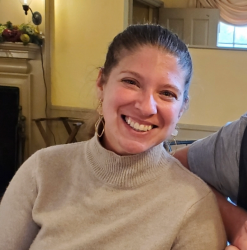 Virginia Davidson, Senior Product Support at Little Green Light
In her role as Senior Product Support at Little Green Light, Virginia draws from her twenty years of fundraising experience to help organizations manage their data so they can fundraise more effectively.
About Little Green Light
Little Green Light is an affordable donor management software solution built for the needs of small to mid-sized nonprofits. Our suite of tools will help you to streamline your fundraising tasks, more efficiently manage your workload, and grow your relationships with your donors. Little Green Light integrates with many of the tools you already use, and lets you manage your data in one central place online, accessible to your team from anywhere.