
In the digital age, it seems strange that fundraising letters still work.
Letters cost more money to produce than most emails, social media posts, and digital ads. Even with an effective letter template, it takes weeks, not minutes, to get letters delivered to your donors. And to manage the mail process well, you should know how to save on printing and postage.
Yet, mail remains a popular strategy for nonprofits and companies alike. In fact, 9 out of 10 marketers surveyed by Lob say they are increasing their investment in mail.
To explain why, I’ve assembled seven images that show why mail — especially the humble fundraising letter — remains a powerful tool for fundraisers.
1. Response Rate
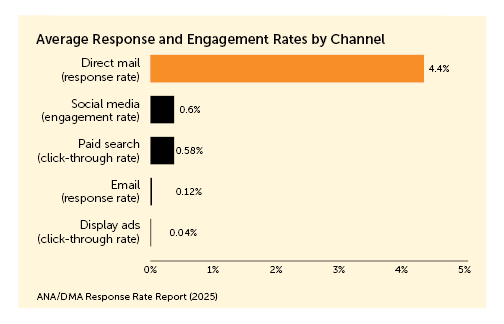
A response rate is the percentage of people who take a requested action after you contact them. In fundraising, response means a donor opened your message, engaged with it, and gave you money.
Direct mail response rates tend to outperform digital ones by a large margin. At last count, direct mail generated 36 times more responses than email per send on average.
But that doesn’t mean you should ditch digital. These tactics work together to meet the donor where they are.
In fact, campaigns that mix mail and digital often create a multiplier effect with response rates that exceed any one tactic on its own.
2. Digital Fatigue
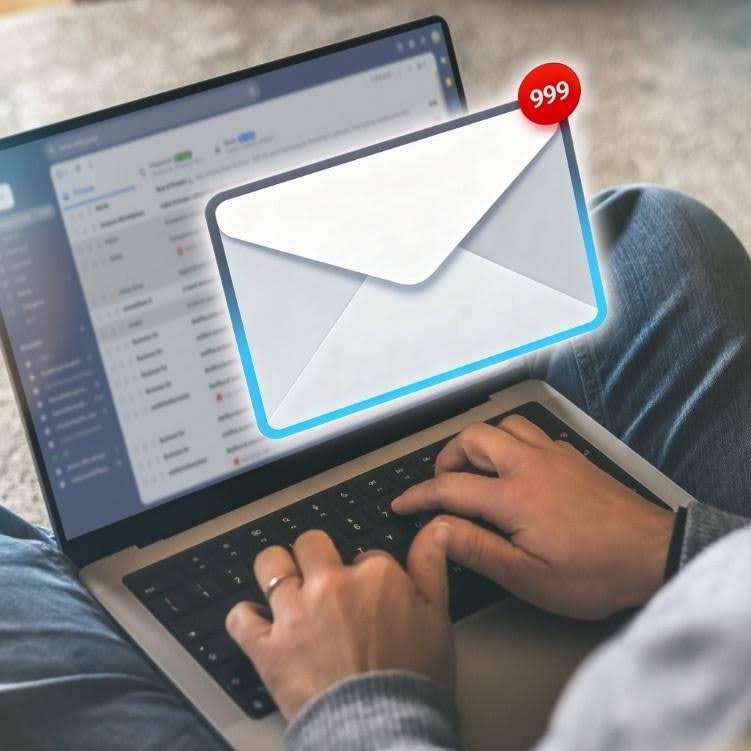 The average office worker receives 120 business emails per day. That doesn’t account for the countless emails cluttering up their personal inboxes. Another estimate says the average U.S. adult scrolls through at least 300 social media posts, ads, and short-form videos per day.
But when was the last time you held a personal letter in your hand?
3. Average Donor Age
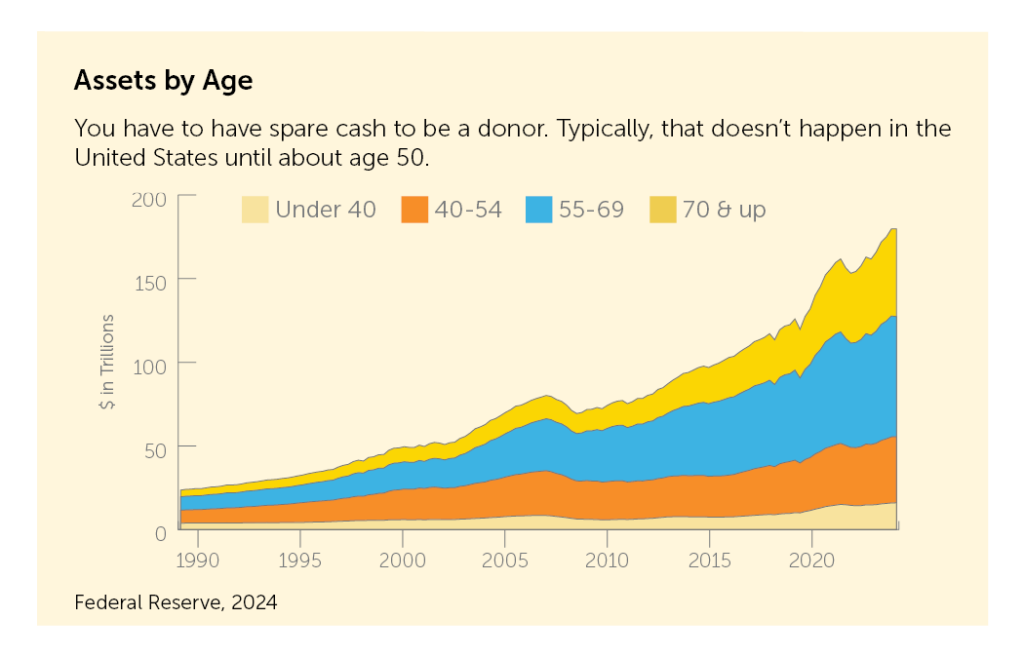
The average U.S. donor is 65 years old. That’s the age when people’s kids have usually left the house, they’ve paid off their mortgage, and they have time to think about their legacy.
While these donors can and do give money online, they also tend to have checkbooks. Fundraising letters should include both a reply envelope for sending checks and a shortened URL (or QR code) for online donations. This allows donors to choose how they want to give.
4. Focus & Comprehension
 Extensive studies show that donors can better focus on and comprehend printed materials compared to digital media.
It’s easy to see why. When a donor reads a letter, there are no text alerts on the same screen. And there are no pop-up ads or other links to distract then. If the letter is designed with the donor’s needs in mind, he or she can give their full attention to the appeal.
5. Personalization
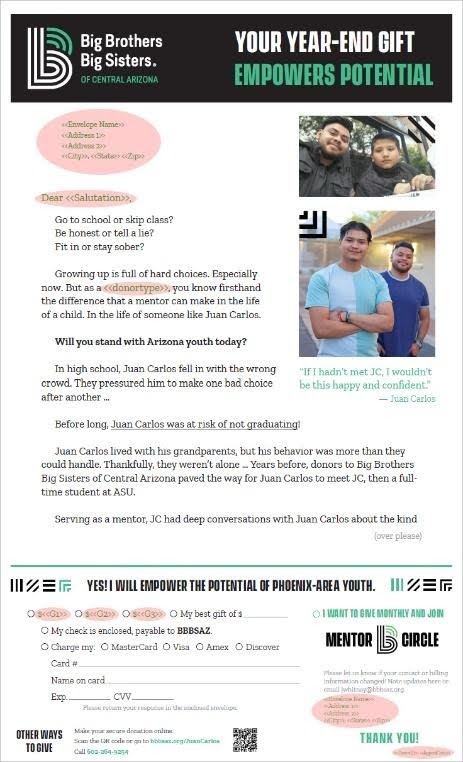 Fundraising letters run on data. If your database is clean, you can use that information to create a more personalized and engaging experience for your donor.
You may be familiar with using the mail merge function in a word processing program to enter donor names and addresses into a letter shell. Printers use variable data printing (VDP) software to do that and much more.
For example, it’s best practice in a fundraising letter to use variable ask strings for each donor vs. the typical static ask string of $25, $50, $75, $100. That allows you to ask the donor who last gave you $50 and the donor who last gave you $500 for different amounts, based on their giving history.
VDP can also be used to:
- call out a donor’s last gift amount and suggest a higher gift
- mention their connection with your organization (e.g., volunteer, monthly donor, former board member)
- show different photos to different donors (e.g., cat vs. dog for an animal rescue)
6. Trackable
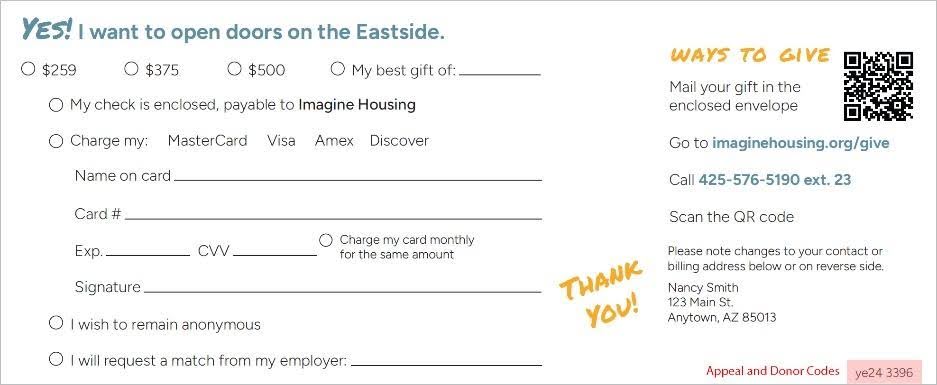
Another common use of variable data printing is to print each donor’s ID from your database on their individual appeal. Donors rarely see these codes. These codes exist to help you track individual donor behavior and make more informed decisions when planning your next appeal.
Reply slips and reply envelopes also typically bear a static code that help your data entry person attribute individual donations to specific appeals or campaigns.
7. Varied & Engaging Formats
The fundraising letter is the workhorse for most appeals. That package typically includes:
- #10 outer envelope
- 8.5”x11” or 8.5”x14” letter
- detached or perforated reply slip
- #9 reply envelope
But one of the advantages of mail is that you can test different creative formats to see which one engages your donors most. Maybe a Martian Green #10 envelope will make your appeal stand out. Or try a larger 6”x9” envelope.
Many nonprofits start with the typical letter format in October or November, then send appeal reminders in mid-to-late December when 12% of all giving occurs. That gives them more chances to cut through the year-end digital clutter.
I’ve also seen nonprofits enclose “premiums” like seed paper, magnets, scratch-and-sniff stickers, bookmarks, and prayer cards in their appeals. Just make sure these items are flexible, or the U.S. Postal Service will charge you extra in postage.
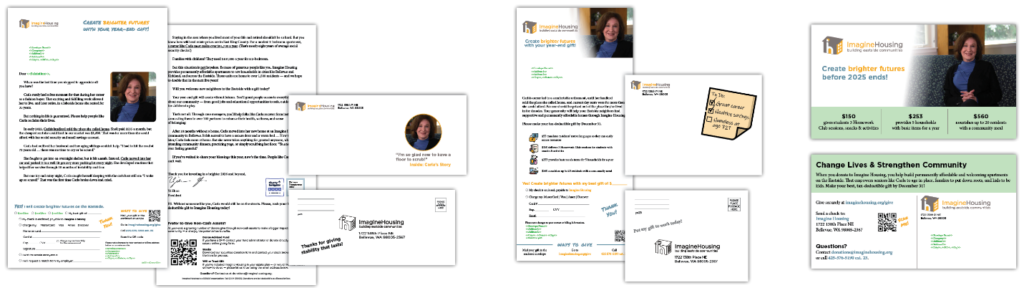
Appeal with Mini-appeal & Postcard Reminders
The Bottom Line
Direct mail as a marketing tactic is over 150 years old. But it’s still one of the most memorable and effective ways to reach your donors.
Just remember that the best fundraising letters take strategy, skill, and time to get right. If your first letter doesn’t engage donors, it’s probably not because “mail is dead.”
Keep at it, ask questions, and try again. Soon, you’ll have a tool that will help you build stronger relationships with your donors and fuel your mission for years to come.
About the Author
 Laura Ingalls is CEO of Abeja Solutions, a women-owned small business that helps nonprofits nationwide master direct mail, and the co-author of “How to Fundraise by Mail: A Digital Native’s Guide.”